

What Is PVD Coating?2025-05-27
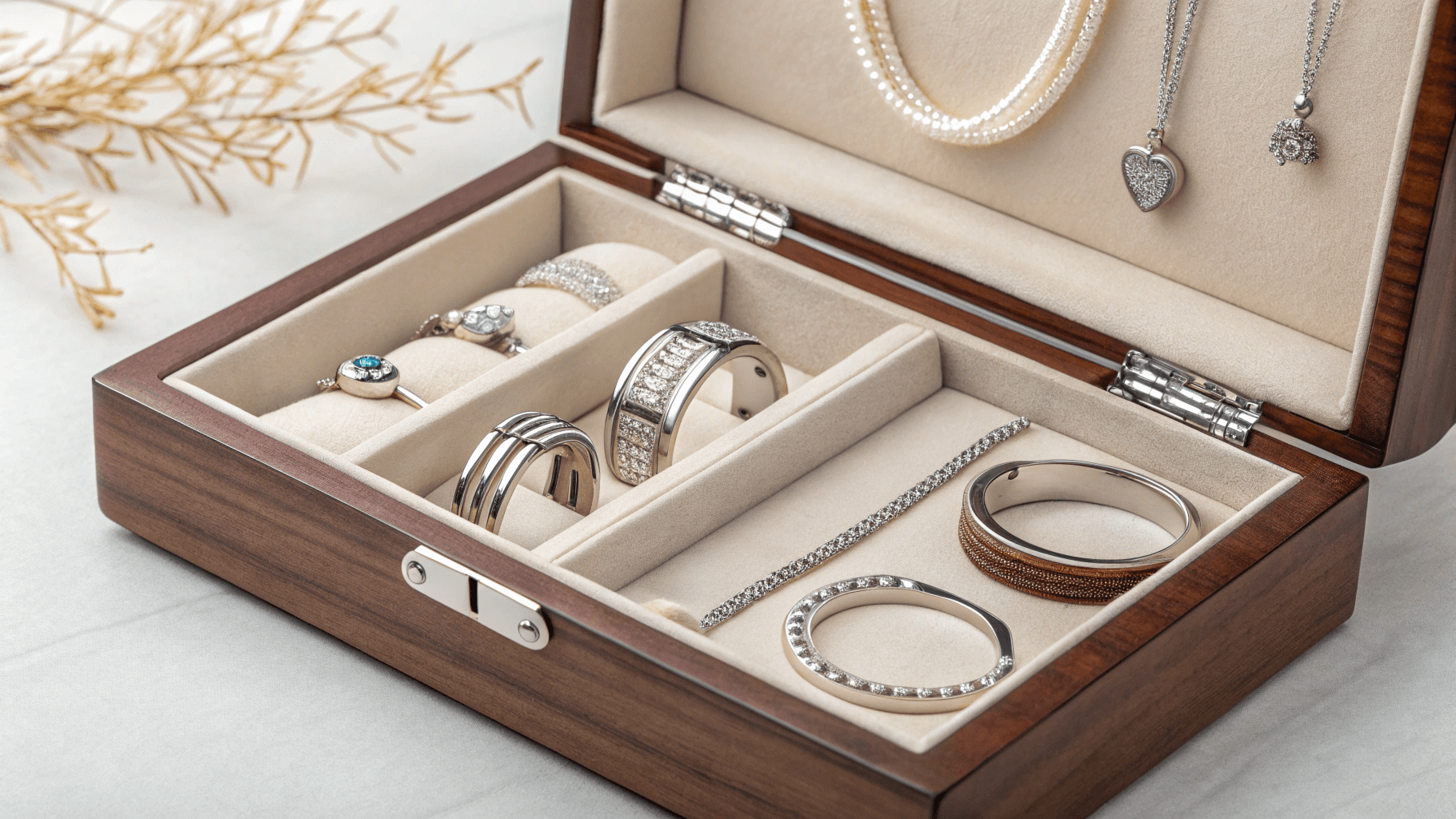
PVD (Physical Vapor Deposition) is an advanced coating process that enhances scratch resistance, fading resistance and corrosion resistance by depositing durable films on the surface of metals such as jewelry. This technology is widely popular in the jewelry industry, making products more wear-resistant, aesthetically pleasing, extending their service life, and enhancing customers' perception of the product's value at the same time.
How Does PVD Coating Work?
PVD (Physical Vapor Deposition) coating is a technique that deposits coating materials onto the surface of an object through physical methods in a vacuum environment to form a thin and tough coating layer. The following are the core steps of its working principle:
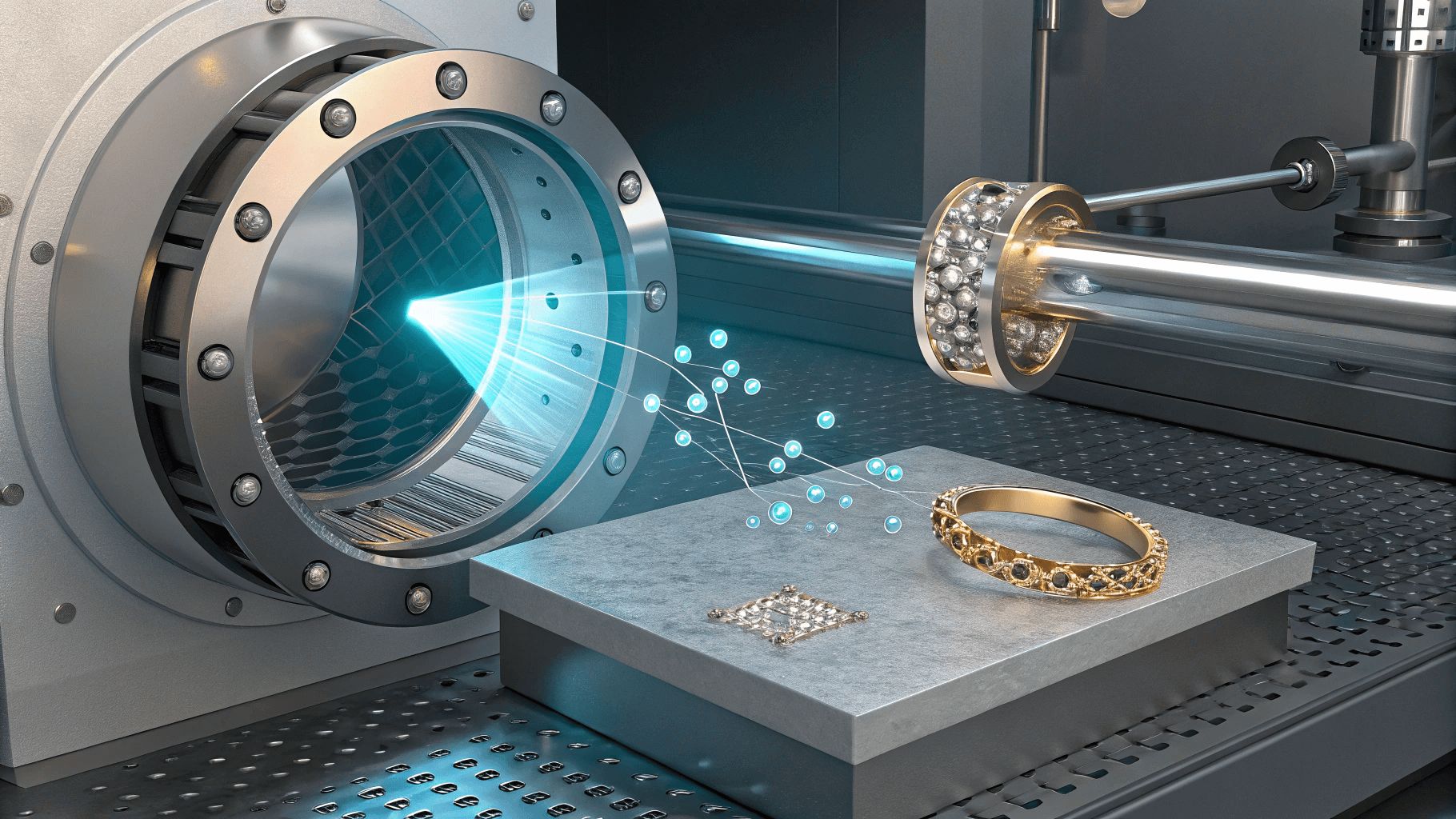
♦ Vacuum environment preparation: Place the object to be coated (such as jewelry) into the vacuum chamber and evacuate the air and impurities to ensure that the coating process takes place in a pure environment.
♦ Material vaporization: Through physical methods (such as evaporation or sputtering), solid coating materials (such as titanium, chromium) are heated or bombarded to transform them into gaseous molecules or atoms.
♦ Deposition on the substrate: The vaporized material moves in the vacuum chamber and deposits on the surface of the object, gradually condensing to form a uniform and dense coating. Sometimes, reactive gases (such as nitrogen) are introduced to further optimize the coating performance.
♦ Coating formation: Deposited atoms condense on the surface of an object, forming a uniform and dense coating with a thickness typically ranging from 0.1 to several micrometers. This coating is closely bonded to the substrate and features high hardness, wear resistance and corrosion resistance.
What is the difference between this type of coating compared to more traditional coating methods in jewelry, for example, electrolytic plating:
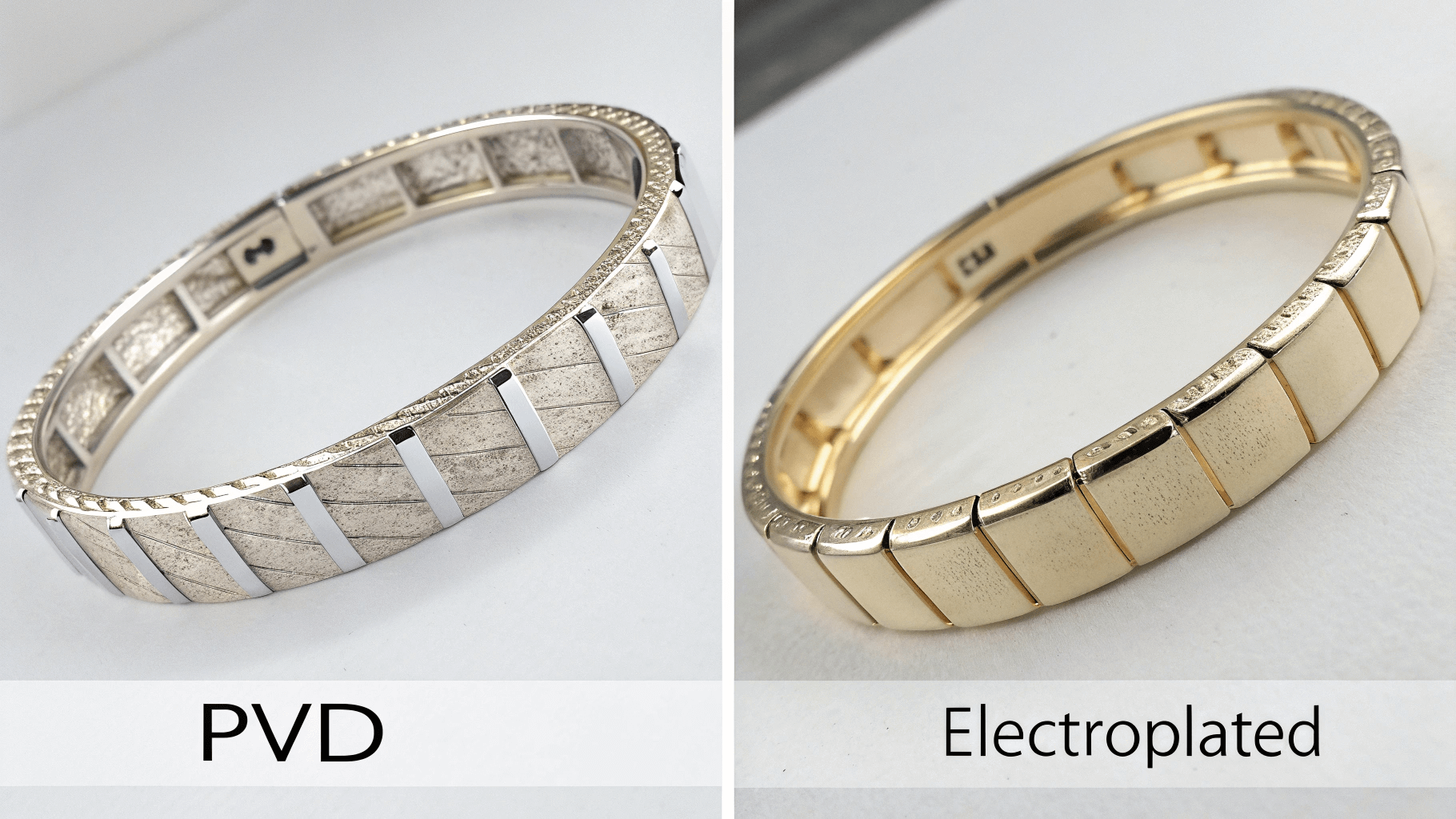
♦ Process principle: PVD is a physical deposition, while electroplating is an electrochemical reaction.
♦ Durability: PVD is more wear-resistant and scratch-resistant, while electroplating is more prone to wear and tear.
♦ Environmental friendliness: PVD is more environmentally friendly, while electroplating may cause pollution.
♦ Appearance: PVD comes in a variety of colors and is stable. The electroplating has a bright luster but is prone to fading.
♦ Cost: PVD has a higher cost, while electroplating is more economical.
Advantages of PVD coating
1.Durability and sustainability
Unlike traditional electroplating, this technology offers incredible durability and resistance to jewelry. PVD coating has remarkable anti-wear and anti-scratch properties. It is the top choice for jewelry worn every day because it does not lose its luster, degrade or fade over time.
Under normal circumstances, electroplated jewelry has a shorter lifespan and is more prone to wear and tear. Traditional electroplated jewelry needs regular repair and maintenance to keep its luster.
2. Resistant to corrosion and discoloration
One of the greatest advantages of PVD coating is that it can protect jewelry from corrosion and discoloration, even when exposed to moisture, sweat and environmental influences. This can enable the jewelry to maintain its original luster and color for a long time.
3. Suitable for sensitive skin
As it contains no allergens or heavy metals, PVD coating is an excellent choice for sensitive skin. It won't cause allergies or irritation and can be worn without any problem.
4. Compatibility with different materials
PVD coating can be successfully applied to various materials, including steel, titanium, silver, and even ceramics, allowing for the creation of unique and innovative combinations in jewelry design.
5. Color stability
PVD coatings can be produced in a variety of colors and remain stable even when exposed to sunlight and wear. This gives designers greater creative freedom to create jewelry in various tones and maintain vitality as they create a day.
6. Simple maintenance
Unlike other types of coatings, PVD does not require special care or continuous maintenance. Pvd-coated jewelry can be easily cleaned and maintained, avoiding the use of abrasive materials and chemicals.
PVD coating challenges
Although PVD coating has many advantages, it is more expensive than traditional coatings such as gold plating and real paint. This process requires advanced equipment and precise control, which will affect the production cost. However, this can be regarded as an investment in quality, making the jewelry last longer and thereby increasing its value to customers.
PVD coating, as an advanced surface treatment technology, has brought revolutionary changes to the jewelry industry. Its outstanding wear resistance, corrosion resistance and color stability not only significantly extend the service life of jewelry, but also give designers greater creative freedom to create works that are both beautiful and durable. Despite the high initial cost, PVD coatings demonstrate unparalleled long-term value through their low maintenance requirements, suitability for sensitive skin, and compatibility with a variety of materials. For consumers and jewelry brands that pursue quality and lasting beauty, PVD coating is undoubtedly an ideal choice to enhance product appeal and market competitiveness.
- Company Info
- Customer Reviews
- About Us
- Contact Us
- Blog
- User Center
- Forget Password
- My Orders
- Tracking Order
- My Account
- Register
- Payment & Shipping
- Customs & Taxes
- Locations We Ship To
- Payment Methods
- Contact Us
Address: #5 Shuitian village, Shiyan Town, Bao an District, Shenzhen, China.
Business Hours : 9:00 AM-6:00 PM
Email: info@jclovejewelry.com
 Leave a message