

What is the Difference Between 316L Stainless Steel and 925 Sterling Silver?2025-07-27
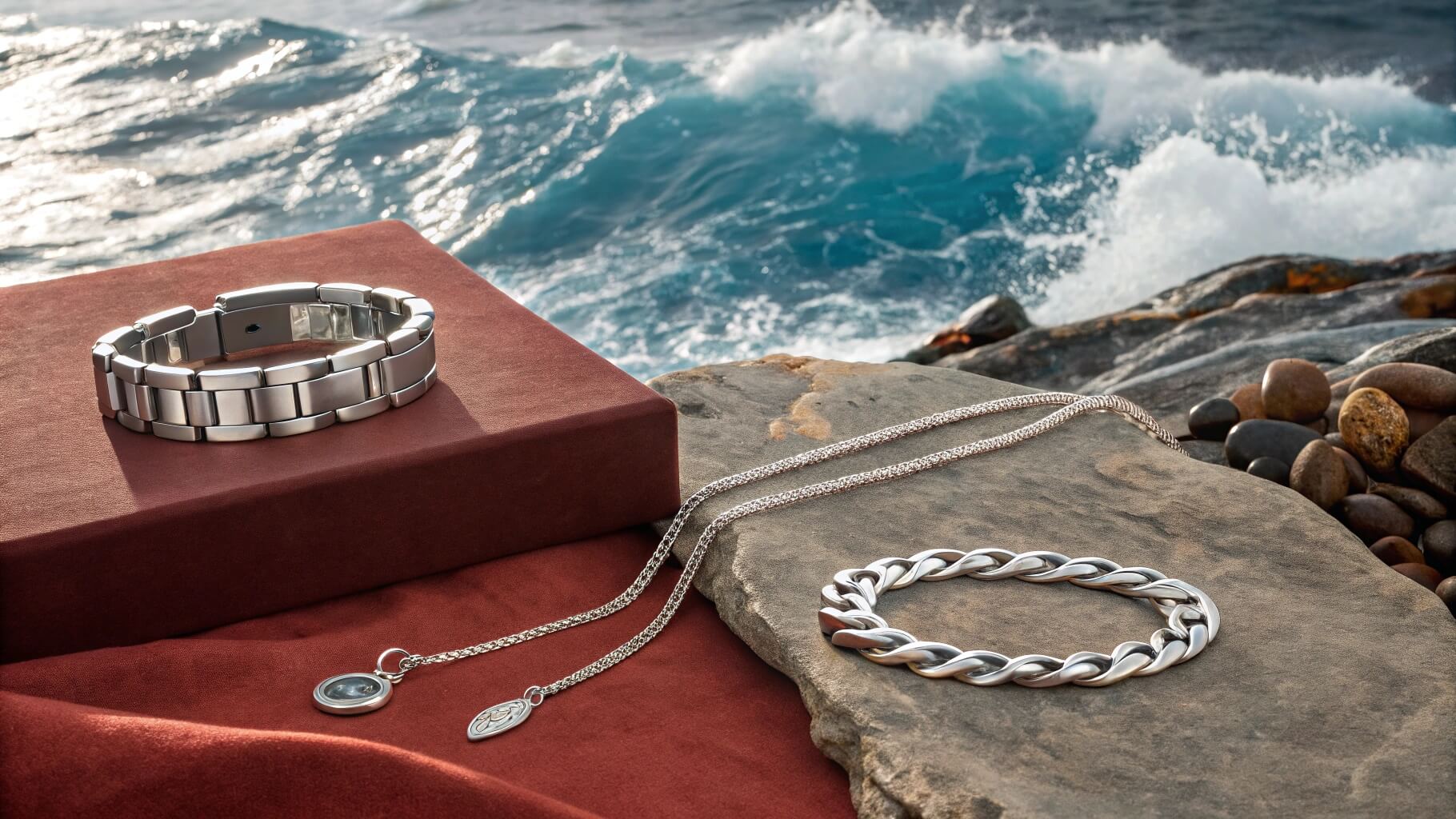
316L Stainless Steel vs. 925 Sterling Silver: Decoding the Sparkle
Ever wandered through a jewelry store or scrolled online and wondered what “316L stainless steel” or “925 sterling silver” really means? These terms might sound like secret codes, but they’re just labels for two popular materials that make your accessories (or even tools) shine. Let’s dive into the differences in a way that’s fun, clear, and keeps you hooked—like a great story over coffee.
Stainless Steel vs. Sterling Silver: The Basics
First, a quick primer. Stainless steel is a rugged alloy, mostly iron with a splash of chromium (at least 10.5%) to fend off rust. It’s like the dependable friend who never lets you down, even in a storm. Sterling silver, on the other hand, is a glossier character—mostly silver with a bit of other metals to add strength. The numbers 316L and 925? They’re like name tags that reveal what each material is made of and why it’s special.
316L Stainless Steel: The Durable Dynamo
316L stainless steel is the laid-back, tough-as-nails member of the stainless steel crew. The “L” stands for “low carbon,” which gives it a few extra superpowers. Here’s the breakdown:
- Composition: It’s a mix of 16-18% chromium, 10-14% nickel, and 2-3% molybdenum, with less carbon than its cousin, 316. That molybdenum makes it a champ at resisting corrosion, especially in harsh settings like saltwater or acidic environments, while the low carbon boosts its weldability and durability.
- Where It Shines: You’ll find 316L in high-end jewelry, luxury watches, medical implants (yep, like surgical stuff!), and marine gear. It’s the go-to for anything that needs to stay shiny and strong in tough conditions.
- Why It’s Awesome: It’s tough, hypoallergenic (a win for sensitive skin), and stays shiny through sweat, showers, or beach days. It’s practically indestructible.
- The Catch: It’s a bit pricier due to its top-tier corrosion resistance and versatility.
Fun fact: Often called “surgical-grade” or “marine-grade,” 316L is trusted in operating rooms and on boats because it laughs off rust and corrosion. Perfect for your adventurous, ocean-loving soul.
925 Sterling Silver: The Elegant Sparkler
Now, let’s talk 925 sterling silver—the darling of dazzling jewelry. It’s got that classic, luminous vibe that turns heads. Here’s the scoop:
- Composition: It’s 92.5% pure silver with 7.5% other metals (usually copper) to make it sturdy. Pure silver is too soft, so this mix gives it just the right balance of strength and shine.
- Where It Shines: Think gorgeous rings, necklaces, earrings, or even fancy silverware and photo frames. It’s the go-to for that timeless, elegant look.
- Why It’s Awesome: That silvery glow is iconic, and it’s way more affordable than gold or platinum. It’s like luxury on a budget.
- The Catch: It can tarnish over time when exposed to air, moisture, or chemicals like perfume. A quick polish keeps it sparkling, though.
Heads-up: If you see “925 stainless steel” anywhere, raise an eyebrow. It’s not a thing—925 is sterling silver, plain and simple. Mislabels happen, so stay sharp!
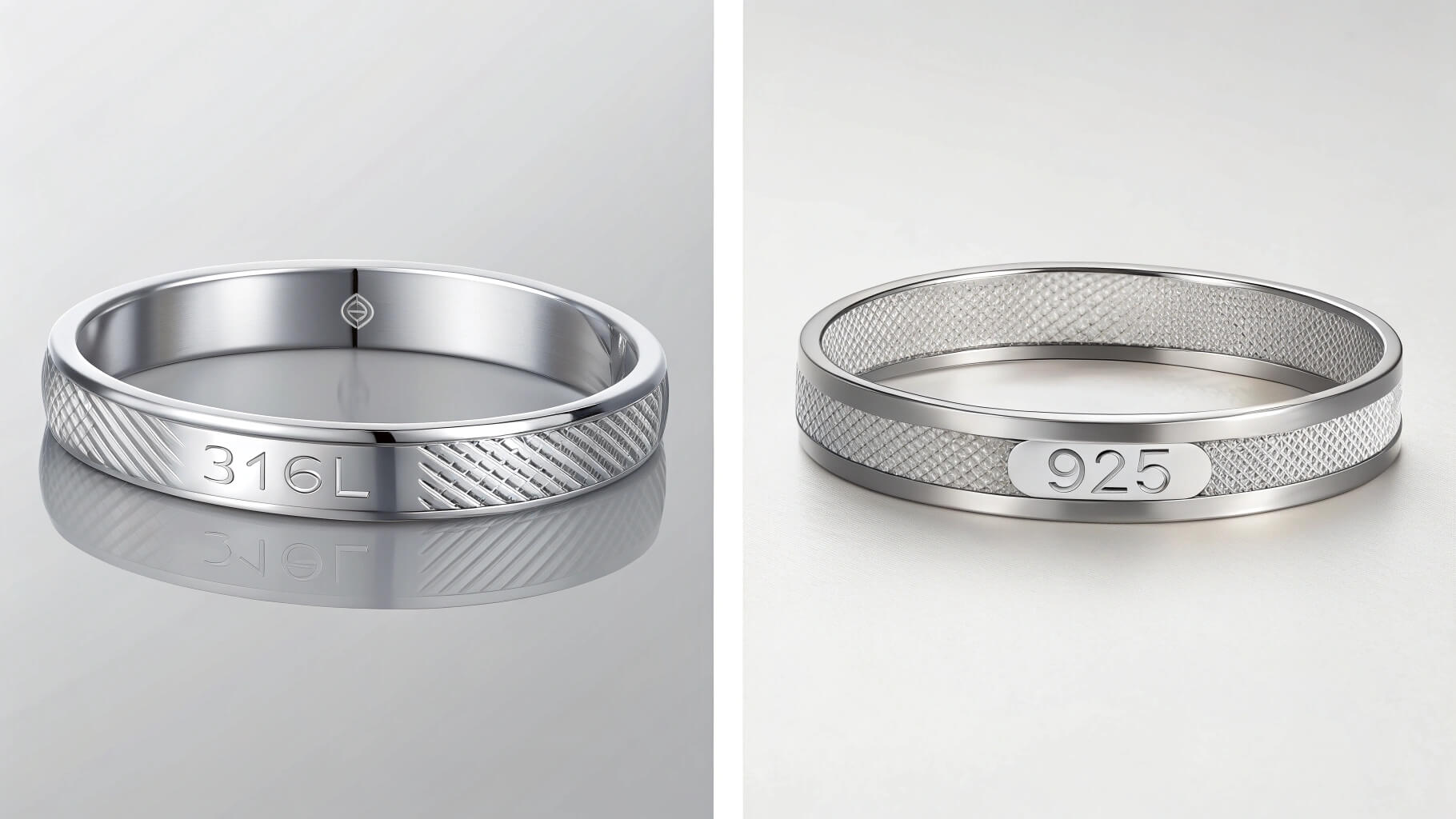
316L vs. 925: The Face-Off
Let’s see how these two stack up for your next jewelry pick or project:
| Feature | 316L Stainless Steel | 925 Sterling Silver |
|---|---|---|
| Material | Iron-based alloy with chromium, nickel, molybdenum | Silver-based alloy with copper |
| Corrosion Resistance | Stellar, thrives in saltwater and acids | Good, but tarnishes with exposure |
| Durability | Rock-solid, resists scratches and dents | Softer, more prone to scratches |
| Appearance | Sleek, metallic, slightly cool-toned | Warm, radiant, classic silver glow |
| Uses | Jewelry, watches, medical, marine gear | Jewelry, decorative items |
| Price | A tad pricier | Usually more wallet-friendly |
| Maintenance | Low—barely needs a second thought | Needs occasional polishing to shine |
| Allergy Risk | Hypoallergenic, skin-friendly | May cause reactions for some |
Which One’s Your Vibe?
Choosing between 316L stainless steel and 925 sterling silver boils down to your style and lifestyle:
- Choose 316L Stainless Steel if you want something that’s low-maintenance, tough as nails, and ready for anything—think beach trips, gym sessions, or accidental coffee spills. It’s ideal for daily wear or gear that needs to last, especially if your skin’s on the sensitive side.
- Pick 925 Sterling Silver if you’re drawn to that warm, silvery sparkle and don’t mind a little TLC. It’s perfect for statement jewelry or pieces you want to wear for that elegant, vintage charm. Keep a polishing cloth handy, and you’re golden (or, well, silvery).
Don’t Fall for Mislabels
Spot “925 stainless steel” in a listing? Hit pause. It’s likely a typo or a marketing mix-up. Always ask: “Is this stainless steel or sterling silver?” You deserve the real deal, no confusion.
Summary
There you have it—316L stainless steel is your rugged, low-maintenance hero, ready to take on the world (or at least a sweaty hike). 925 sterling silver is the glamorous star that needs a bit of care but delivers timeless elegance. Both are fantastic, just for different reasons. Whether you’re eyeing a new necklace or upgrading your gear, knowing the difference helps you pick the perfect fit.
Got a favorite 316L or 925 piece? Drop the details—what makes it your go-to? I’m all text and ready to hear your story!
- Company Info
- Customer Reviews
- About Us
- Contact Us
- Blog
- User Center
- Forget Password
- My Orders
- Tracking Order
- My Account
- Register
- Payment & Shipping
- Customs & Taxes
- Locations We Ship To
- Payment Methods
- Contact Us
Address: #5 Shuitian village, Shiyan Town, Bao an District, Shenzhen, China.
Business Hours : 9:00 AM-6:00 PM
Email: info@jclovejewelry.com
 Leave a message