

Is Sweat the Cause of the Necklace Getting Rusty and Discolored?2025-05-21
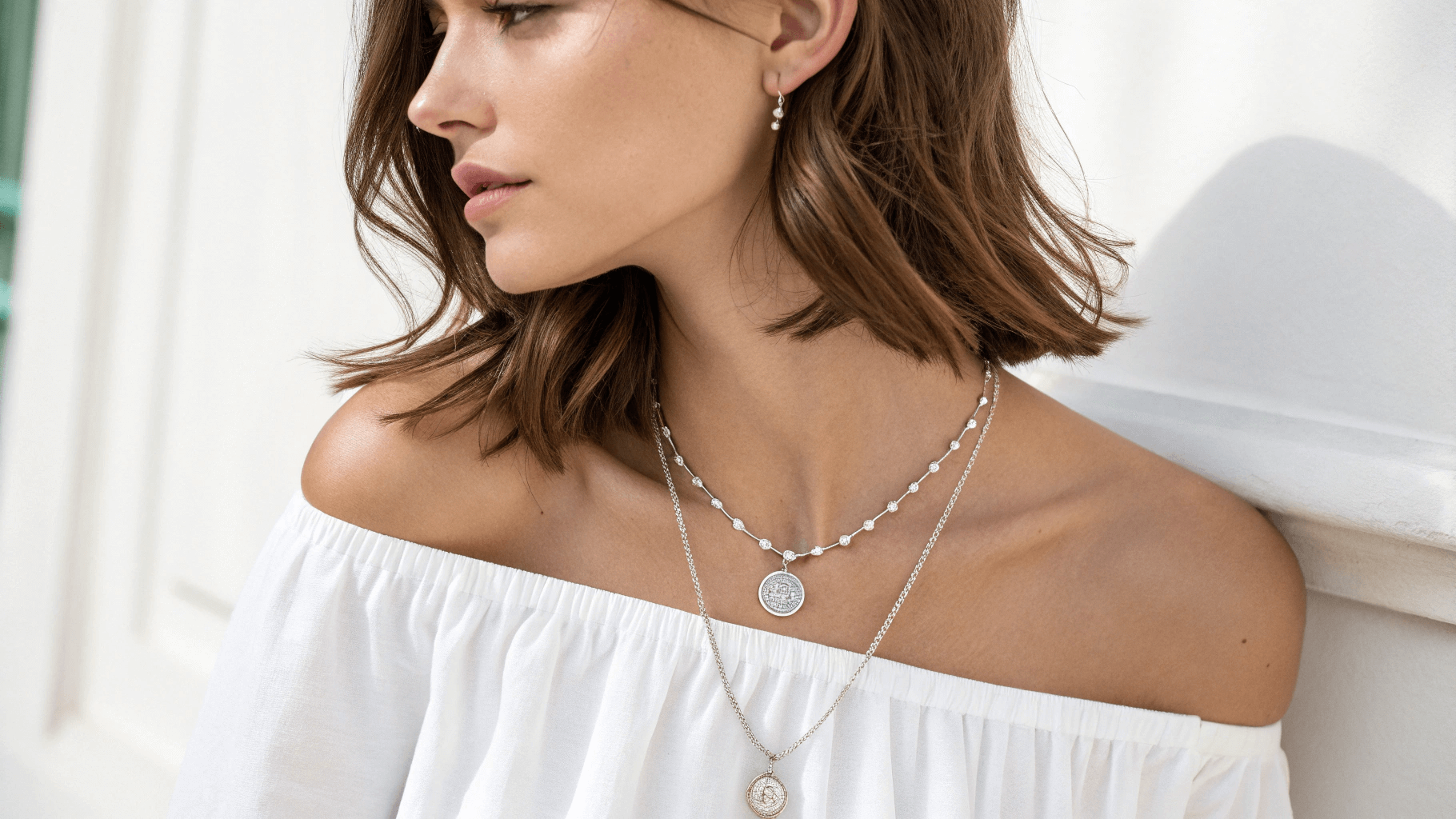
When your favorite necklace gets rusty or turns black, do you feel disappointed? One of the reasons is sweat. People tend to sweat more in summer, so extra care is needed. In some cases, the blue rust or black spots on the necklace might transfer to your clothes.
In this article, we will clearly explain how to maintain your necklace to prevent rusting and discoloration, as well as the materials that can be used to make sweat-proof necklaces. For those who are worried about silver necklaces rusting and discoloring, or those who are looking for materials for sweat-proof necklaces, this is a must-read!
The discoloration of the silver necklace is caused by "sulfuration".
The reason for the loss of luster of the silver necklace is "sulfuration", which is the result of the reaction between silver and sulfur. Sulfur is a well-known component in hot springs, but it is also present in small amounts in familiar things such as exhaust fumes, rubber products, and hair straightening solutions. Even silver reacts with a small amount of sulfur, so if you don't take proper care of and store the silver, it will soon undergo the sulfuration reaction, causing the silver to turn black and lose its luster.
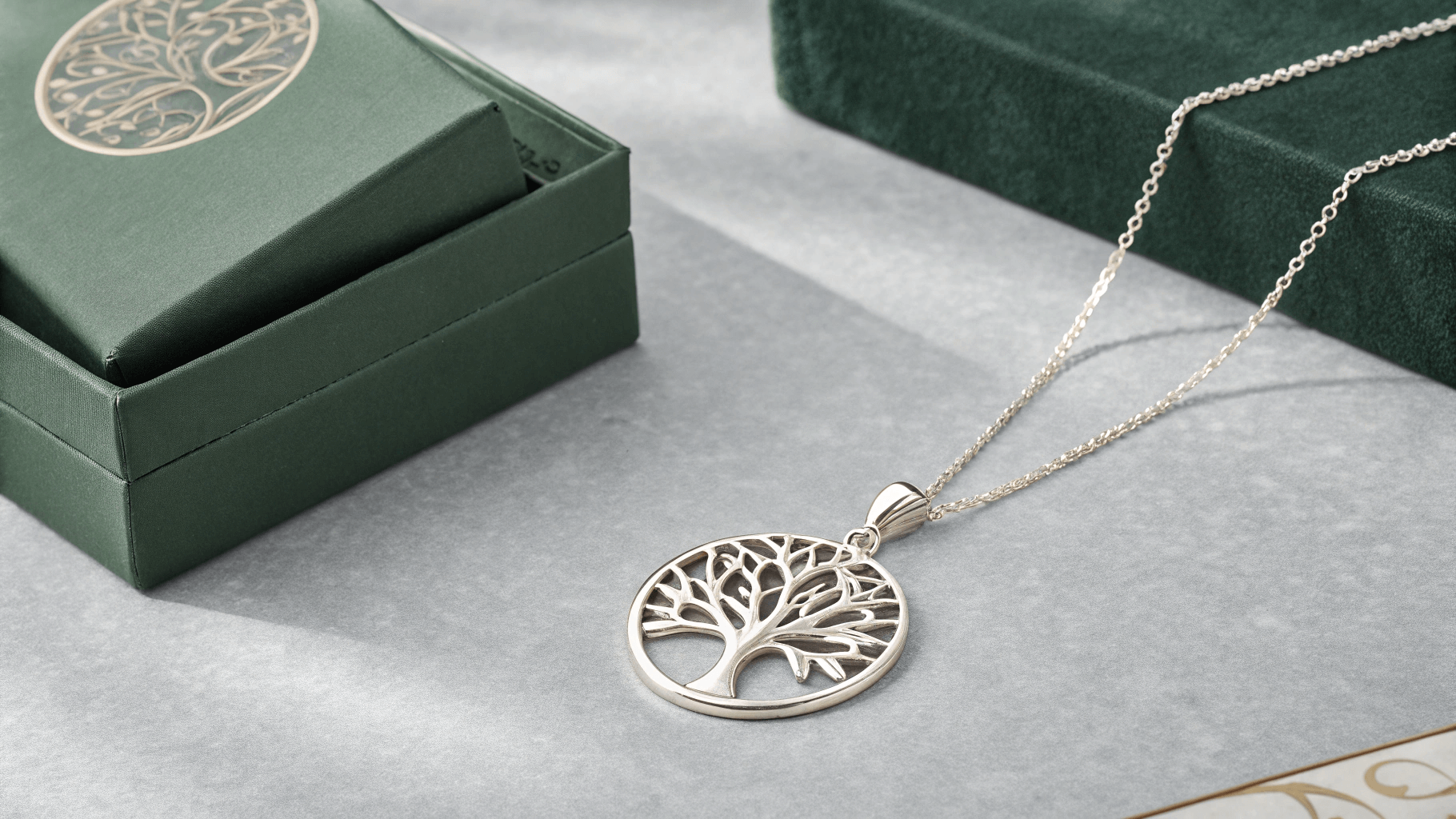
Sweat is also one of the reasons for the rusting and discoloration of necklaces.
The sweat produced by humans can also cause necklaces to rust and change color. Sweat contains salts that cause rusting, as well as sebum secreted by pores. By the way, this sebum also contains sulfur. The reason why "only the parts of the necklace that come into direct contact with the skin will change color" is that the sulfur in the sebum undergoes a sulfuration reaction, causing the necklace to change color.
How to care for your necklace to prevent rust and discoloration
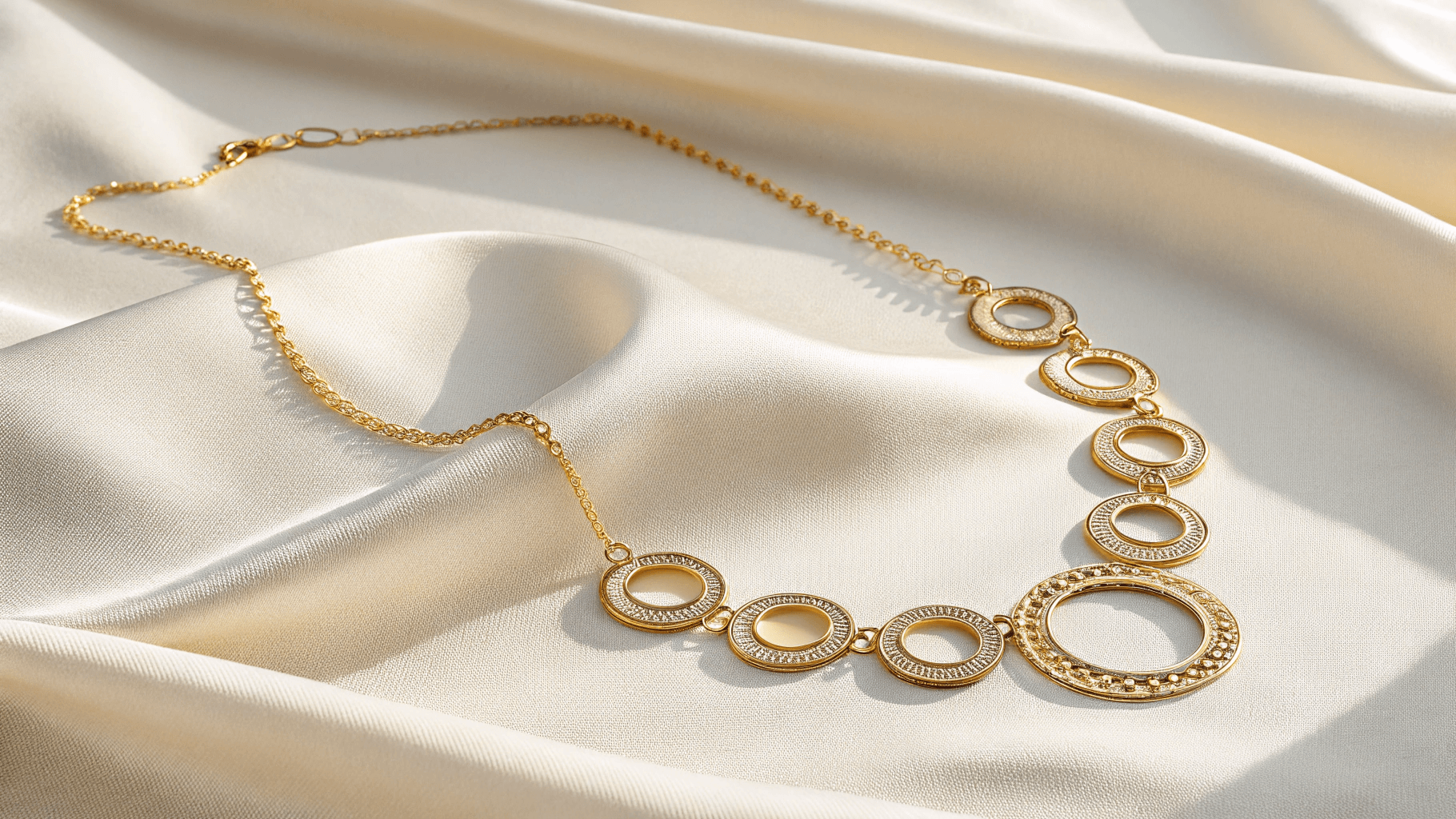
To keep your precious necklace in good condition, it is very important to take good care of it every day. Here we will introduce to you how to maintain your necklace to prevent it from rusting and changing color.
Wipe immediately after use
After wearing the necklace, develop the habit of removing sweat or other dirt as soon as possible. Just this one step can significantly prevent your necklace from rusting or changing color.
Gently wipe away any dirt with a soft cloth. On days when you sweat a lot, you can clean it with water or diluted neutral detergent to make it look brand new. However, the only items that can be cleaned with water and mild detergent are pure silver or other base metals.
For items that have undergone electroplating treatment or contain water-sensitive materials such as jewels or pearls, simply dry them.
Pay attention to storage method
When storing silver necklaces, make sure to keep them away from air and any sulfur-containing substances, such as hair bands. I recommend using a sealed bag. After putting the necklace in, expel all the air and then store it in a jewelry box. If you don't have a self-sealing bag, you can wrap it with plastic wrap for storage.
Storing the necklace in a place away from air will help prevent it from changing color due to sulfation. It can also have the added benefit of preventing scratches caused by collisions with other accessories.
Remove it at beaches, hot springs and other facilities.
To prevent the necklace from rusting or changing color, please make sure to remove it when you go to the beach, hot spring or other facilities. Salt and sulfur are the biggest enemies of jewelry and accessories.
Even if you don't go to the sea or the hot spring, the salt and sulfur that leak into the air can cause rusting and discoloration. To avoid the necklace accidentally rusting or fading, please make sure to remove it before going to the beach or the hot spring.
What to do if you are concerned about rust or discoloration on your necklace
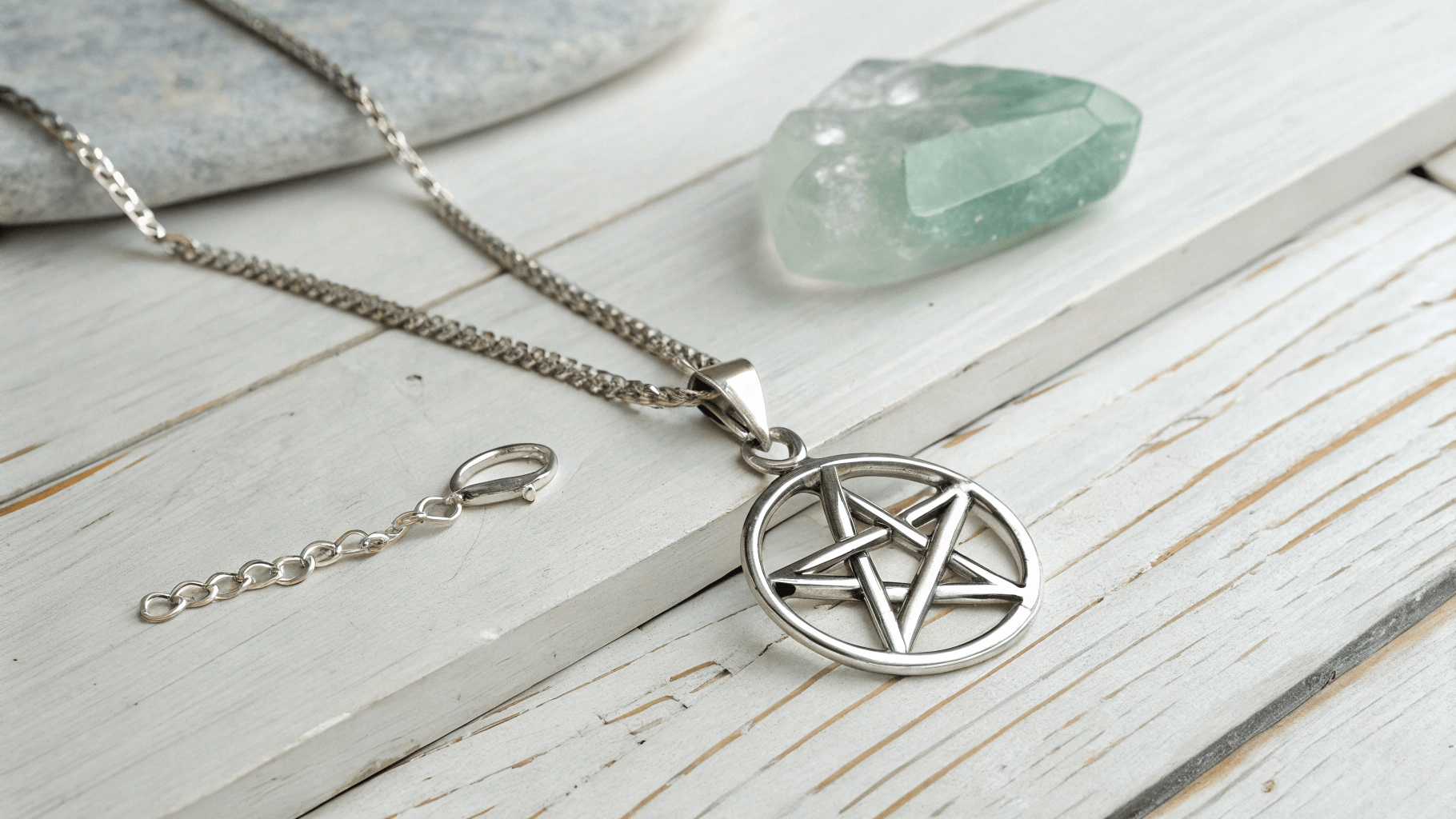
As we have explained so far, through regular care, you can prevent your necklace from rusting and changing color. But what about dealing with the rust and discoloration that has already occurred? Here we will show you how to remove the rust and stains from your silver necklace. Please note that the solutions described here are only applicable to products made of pure silver, and the risks are your own responsibility.
Do not perform this operation on items with jewelry, silver plating, or coated silver, etc. Additionally, if you have any doubts, do not force yourself but consult the store or jewelry store where you purchased the item.
Polish with a silver polishing cloth
To remove the dullness from a tarnished silver necklace, simply wipe it with a silver polishing cloth. First, gently wash away the dirt with water or warm water. Then, dry the water with a soft cloth and use the silver polishing cloth to polish the discolored areas to make them shiny.
The silver polishing cloth is particularly suitable for cleaning flat areas such as necklace patterns. If you continue to polish after cleaning, it will eventually wear down the silver itself. Therefore, please be careful not to over-polish.
Use silver cleaner
For areas that cannot be cleaned with a silver cloth, such as the uneven parts of the chain, we recommend using silver cleaner solution. Silver cleaner solution can be purchased at hardware stores and accessory shops.
When using it, simply hold the silver necklace with a chopstick or tweezers, immerse it in the silver cleaner solution and shake it to clean. Then, rinse off the silver cleaner solution with water or warm water. Finally, wipe off the excess water with a soft cloth to complete the process. Please refer to the instructions for each product to understand how long to immerse it in the silver cleaner solution. Finally, polish with a silver cloth to make it shinier and more beautiful.
Brush your teeth with baking soda and toothpaste.
If you can't find a silver polishing cloth or silver cleaner, you can use common items in your home to remove rust from your silver necklace. It's baking soda and toothpaste. Both have abrasive properties and can remove rust from silverware.
If using baking soda, dissolve it in a small amount of water to make a paste, then apply it directly to the silver necklace and gently rub with your fingers. If using toothpaste, apply it to the silver necklace and do the polishing in the same way. The fallen dirt will make your fingers black, so if you have plans to go out, be careful. After polishing, rinse with water or warm water, and then gently wipe off the water with a soft cloth.
What material is used for sweat-resistant necklaces?
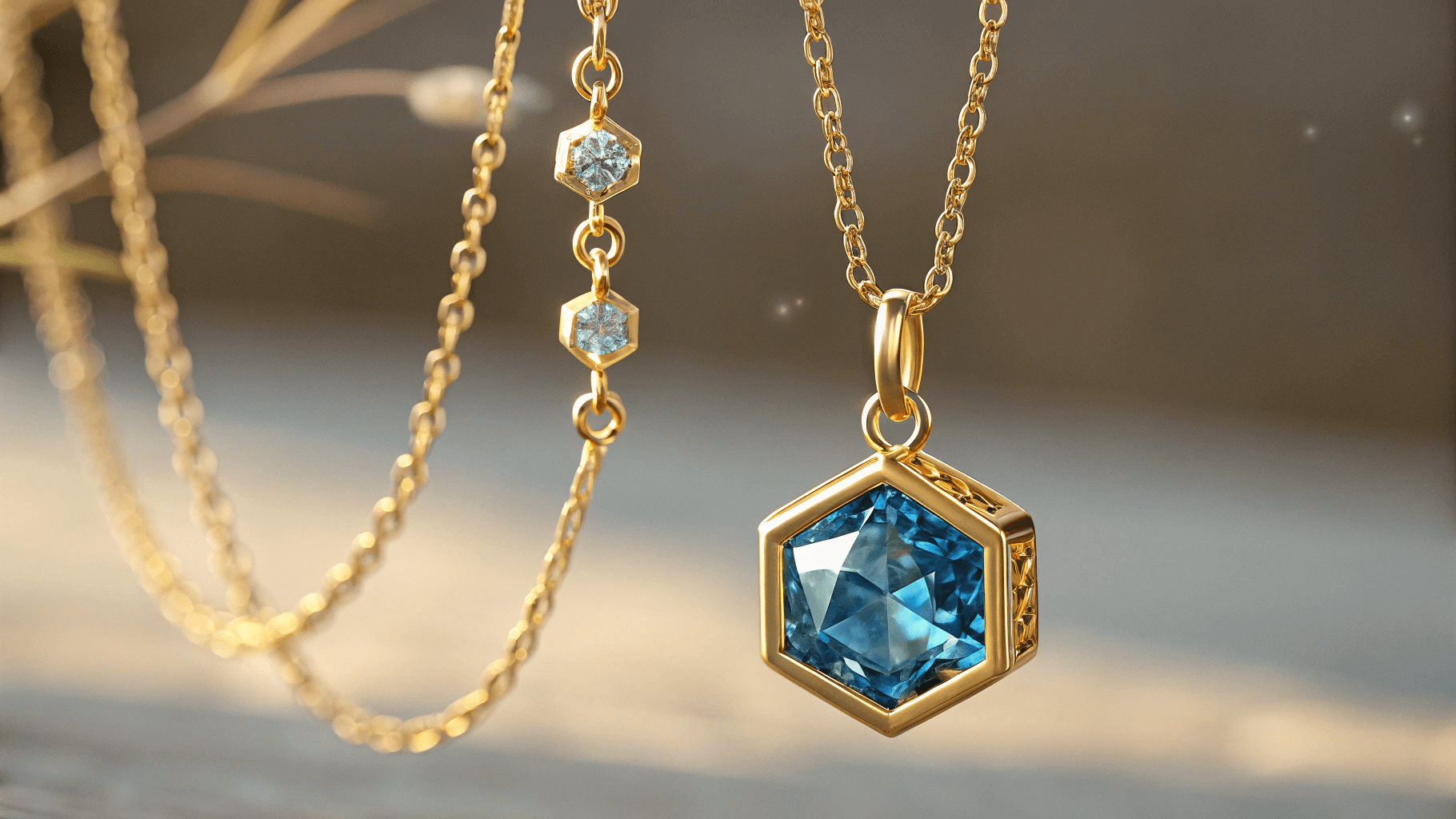
Unlike silver, gold and platinum do not rust or lose their luster easily, and are resistant to sweat. However, neither gold nor platinum will rust or lose their luster.
Gold and platinum are too soft to be used alone to make jewelry, so they are mixed with other metals (called alloys) to make them harder and more durable. However, depending on the types and proportions of metals used in the alloy, even gold and platinum can rust or change color.
If you want an anti-sweat necklace, it is recommended to choose gold or platinum with the highest purity. If you choose gold, it is best to choose K18 or above. If you choose platinum, it is best to choose Pt900 or above.
You can prevent rust and discoloration on your necklace! Learn the causes and how to care for it
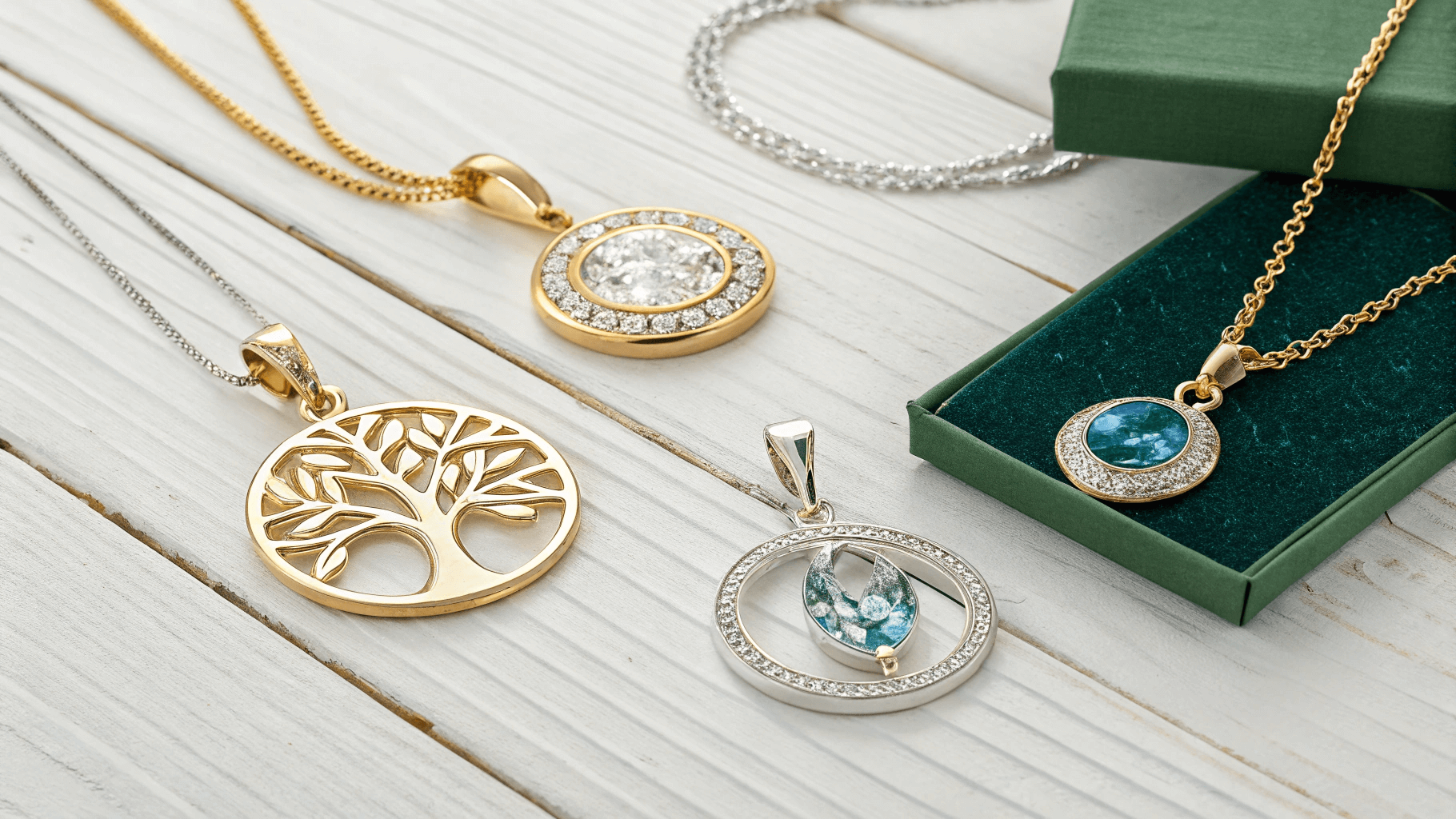
A necklace is a type of jewelry that is prone to rusting and discoloration due to factors such as sweat. When purchasing a necklace, one option is to choose a necklace made of gold or platinum, as they are sweat-resistant materials.
Silver is a material that is sensitive to sweat, but as long as it is carefully maintained and handled every day, it can remain in a beautiful state for a long time. If your item is still rusting or discoloring, please try the solutions we introduce here. Necklaces are important fashion accessories.
Please refer to the information we provide in this article to enjoy a fashionable neckline without sweating!
- Company Info
- Customer Reviews
- About Us
- Contact Us
- Blog
- User Center
- Forget Password
- My Orders
- Tracking Order
- My Account
- Register
- Payment & Shipping
- Customs & Taxes
- Locations We Ship To
- Payment Methods
- Contact Us
Address: #5 Shuitian village, Shiyan Town, Bao an District, Shenzhen, China.
Business Hours : 9:00 AM-6:00 PM
Email: info@jclovejewelry.com
 Leave a message