

How to Wholesale Fashion Jewelry from China: A Step-by-Step Guide2025-07-03
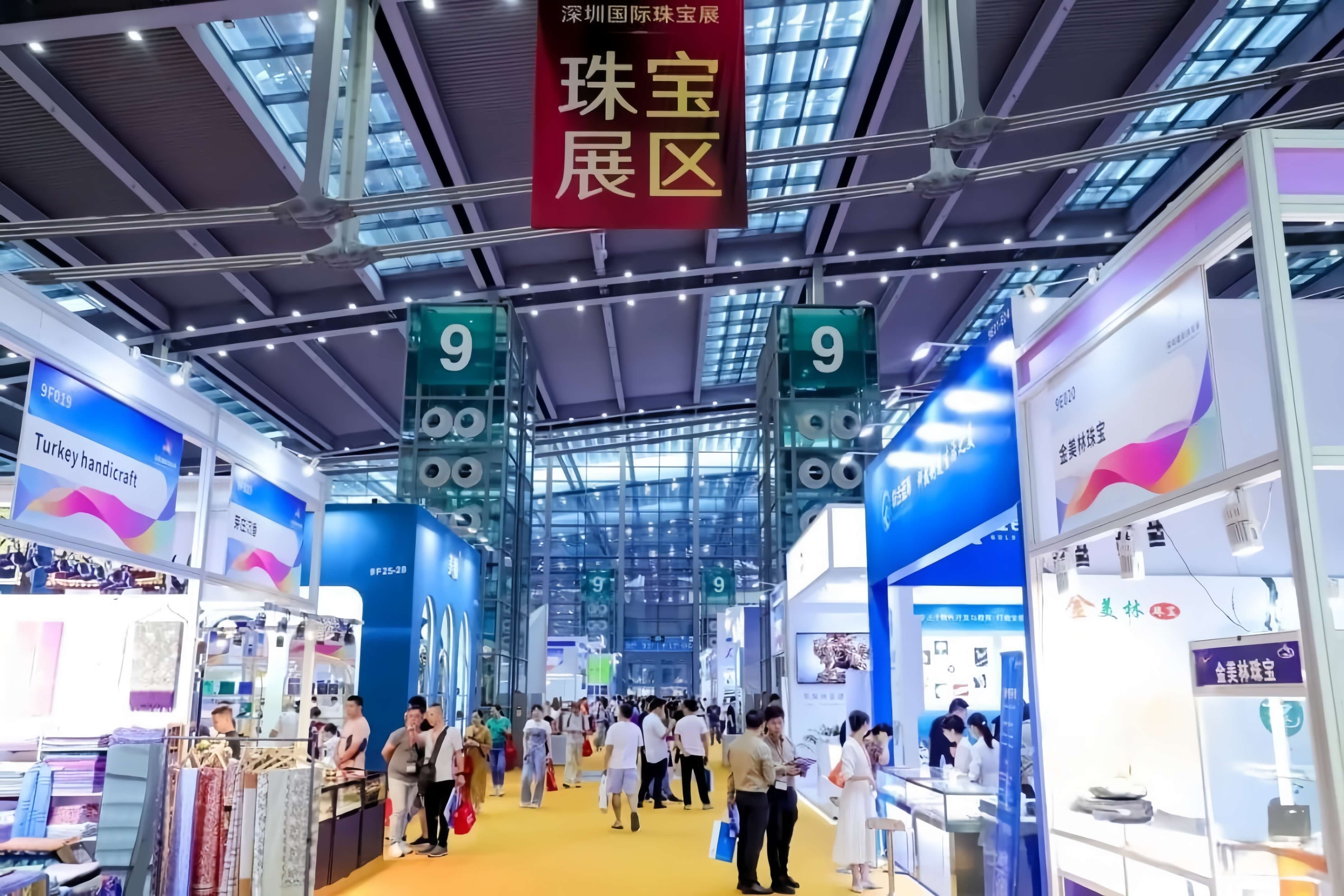
Sourcing fashion jewelry from China can be a game-changer for your business, offering trendy designs, competitive prices, and a vast supplier network. However, navigating the process requires careful planning to ensure quality, reliability, and profitability. Whether you're a small boutique owner or an e-commerce entrepreneur, this detailed guide will walk you through the steps to successfully wholesale fashion jewelry from China.
Why Source Fashion Jewelry from China?
China is a global hub for fashion jewelry, offering:
· Cost-effectiveness: Low production costs and competitive pricing.
· Variety: Thousands of designs, from minimalist to statement pieces.
· Customization: Options for bespoke designs and branding.
· Scale: Suppliers can handle both small and large orders.
However, challenges like language barriers, quality control, and logistics require a strategic approach. Let’s dive into the steps to make your sourcing journey smooth and successful.
Step 1: Define Your Needs and Market
Before reaching out to suppliers, clarify your goals:
· Target Market: Understand your customers’ preferences. Are they into boho chic, minimalist, or luxury-inspired pieces? Research trends in your market (e.g., US, EU, or Australia).
· Material Preferences: Decide on materials like stainless steel (316L for hypoallergenic needs), sterling silver, brass, or alloy. Each has different cost and quality implications.
· Budget: Set a price range for wholesale purchases, factoring in shipping, tariffs, and your retail markup.
· Order Volume: Determine if you need small batches (low MOQ) or bulk orders for economies of scale.
Pro Tip: Use platforms like Pinterest, Instagram, or Etsy to spot trending jewelry styles in your target market.
Step 2: Find Reliable Suppliers
China has a vast network of jewelry suppliers, but choosing the right one is critical. Here’s how to start:
Where to Find Suppliers
· B2B Platforms:
o Alibaba: Wide range of suppliers with detailed profiles and buyer reviews.
o Made-in-China: Focuses on verified manufacturers.
o Global Sources: Ideal for premium suppliers and trade show connections.
· Trade Shows: Attend events like the Hong Kong Jewelry & Gem Fair or Shenzhen International Jewelry Exhibition to meet suppliers in person.
· Industry Clusters: Focus on regions like Guangdong (Dongguan, Shenzhen) and Zhejiang (Yiwu) for jewelry manufacturing hubs.
How to Vet Suppliers
· Check Credentials: Look for suppliers with verified certifications (e.g., ISO 9001, BSCI) and export experience.
· Read Reviews: Check buyer feedback on B2B platforms for insights into reliability and quality.
· Request Samples: Order samples to assess craftsmanship, material quality, and packaging.
· Ask Questions: Inquire about production capacity, lead times, and customization options.
Pro Tip: Use Alibaba’s “Trade Assurance” feature to protect your payment until goods are delivered as agreed.
Step 3: Ensure Product Quality
Quality issues can harm your brand. Here’s how to maintain high standards:
· Material Standards: Confirm the use of safe, durable materials. For example, 316L stainless steel is corrosion-resistant and hypoallergenic, ideal for sensitive skin.
· Certifications: Ensure compliance with your market’s regulations (e.g., EU’s REACH for chemical safety, US’s CPSIA for lead-free products).
· Sample Testing: Test samples for durability, colorfastness (e.g., for plated items), and wearability.
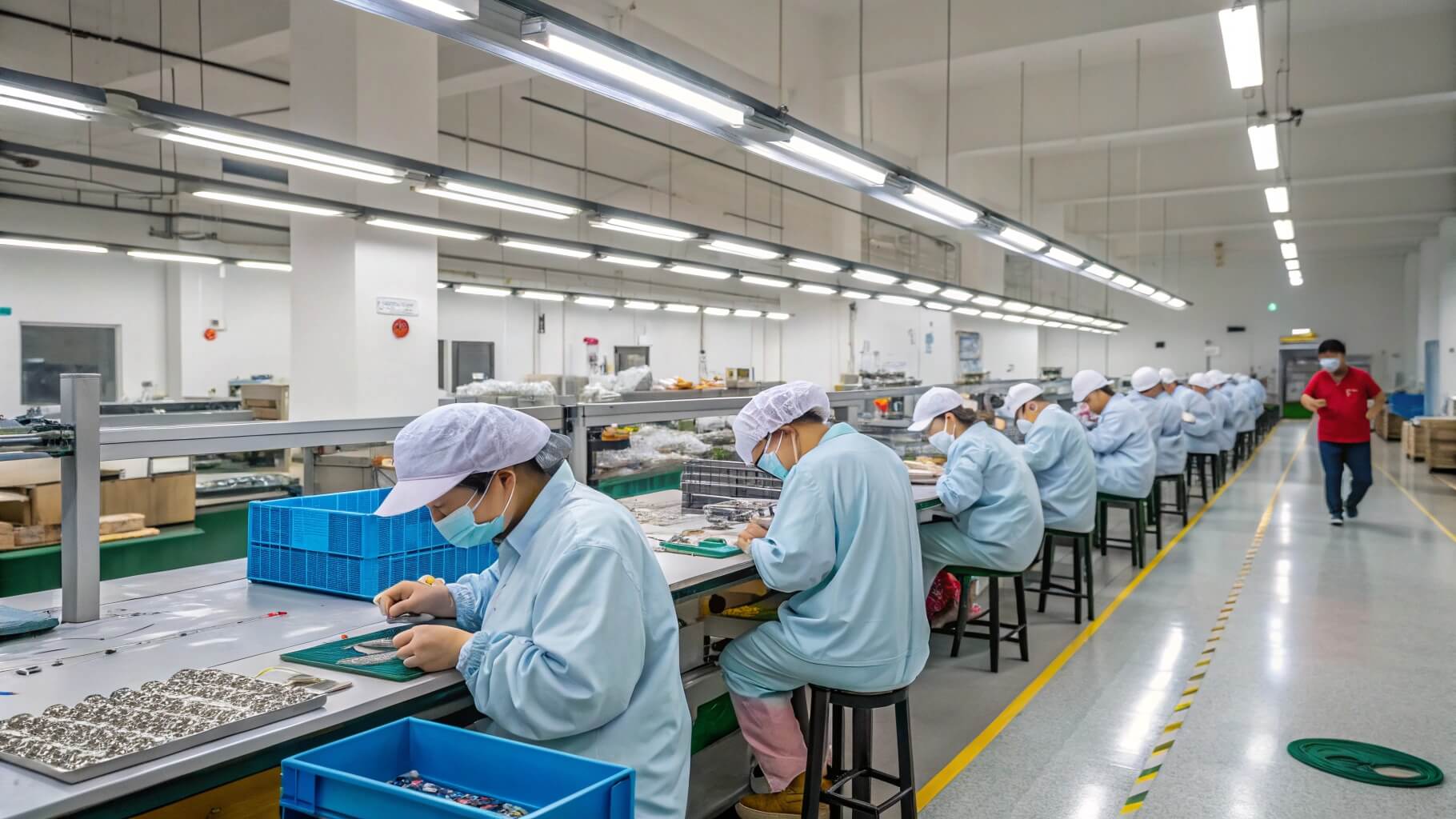
· Quality Control Process: Ask suppliers about their QC methods (e.g., 100% inspection vs. random checks) and request inspection reports.
Pro Tip: Hire a third-party inspection agency (e.g., SGS, Bureau Veritas) to verify quality before bulk production.
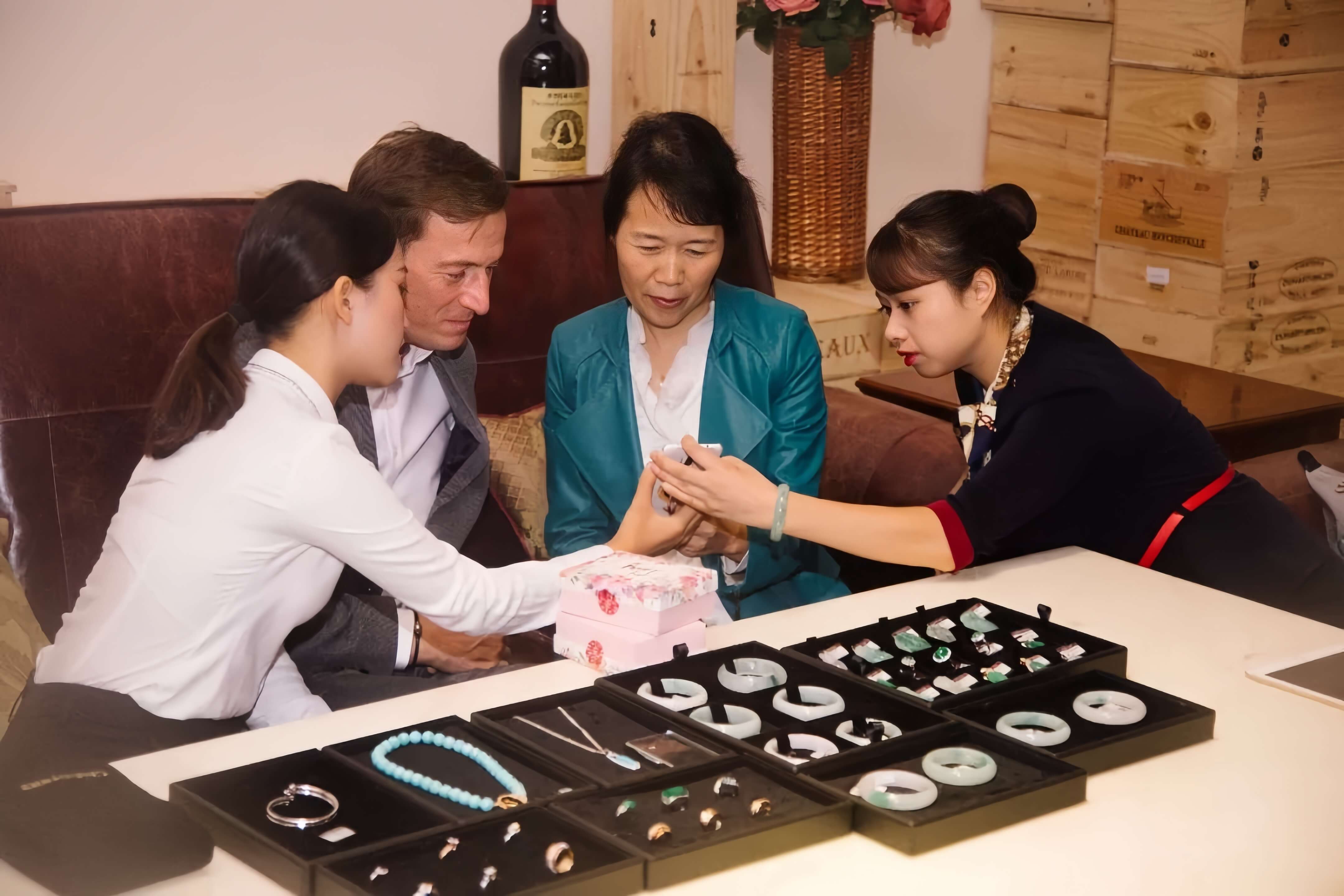
Step 4: Negotiate Pricing and Terms
Getting the best deal requires preparation:
· Request Quotes: Contact multiple suppliers for detailed quotes (FOB, CIF, or DDP terms). Compare prices, including shipping and taxes.
· Minimum Order Quantity (MOQ): Negotiate MOQs to suit your needs, especially if you’re starting small.
· Customization Costs: For custom designs, clarify mold fees, sampling costs, and production timelines.
· Payment Terms: Opt for secure methods like T/T (30% deposit, 70% before shipping), PayPal, or Trade Assurance. Avoid full upfront payments.
Pro Tip: Build long-term relationships with suppliers to unlock better pricing and priority production.
Step 5: Navigate Logistics and Shipping
Shipping from China involves several considerations:
· Shipping Methods:
o Sea Freight: Cost-effective for large orders but takes 20–40 days.
o Air Freight: Faster (5–10 days) but more expensive.
o Express Courier: Ideal for samples or small orders (e.g., DHL, FedEx).
· Customs and Tariffs: Research your country’s import duties for jewelry (e.g., HS code 7117 for imitation jewelry). Prepare documents like commercial invoices and packing lists.
· Freight Forwarders: Work with a reliable forwarder for smooth customs clearance and tracking.
Pro Tip: Use Incoterms (e.g., FOB, CIF) to clarify who handles shipping and insurance costs.

Step 6: Draft a Solid Contract
A clear contract minimizes risks:
· Key Terms: Include product specifications, quality standards, delivery timelines, and payment terms.
· Intellectual Property: If using custom designs, ensure the supplier won’t resell them to others.
· Dispute Resolution: Specify how to handle defective goods or delays (e.g., refunds, replacements).
· Language: Use bilingual (English/Chinese) contracts to avoid miscommunication.
Pro Tip: Consult a trade lawyer to review your contract, especially for large orders.
Step 7: Manage Communication
Effective communication ensures a smooth process:
· Language: Choose suppliers with strong English skills or hire a translator for complex discussions.
· Tools: Use platforms like WeChat, WhatsApp, or email for regular updates.
· Cultural Awareness: Be patient and clear, as Chinese suppliers value relationship-building and may avoid direct confrontation.
Pro Tip: Schedule calls considering China’s time zone (e.g., CST is 12 hours ahead of EST).
Step 8: Plan for After-Sales and Returns
Prepare for post-purchase scenarios:
· Return Policy: Agree on terms for defective or non-compliant products.
· After-Sales Support: Confirm if the supplier offers repairs or replacements.
· Customer Feedback: Use customer insights to refine future orders.
Pro Tip: Keep detailed records of all communications and agreements for reference in disputes.
Step 9: Stay Trend-Savvy and Sustainable
· Trend Research: Follow global jewelry trends via social media, fashion blogs, and trade magazines to stock in-demand styles.
· Sustainability: Opt for eco-friendly materials (e.g., recycled metals) or suppliers with green certifications to appeal to conscious consumers.
· Branding: Consider custom packaging or logos to differentiate your products.
Pro Tip: Partner with suppliers offering ODM (original design manufacturing) for exclusive designs tailored to your brand.
Step 10: Mitigate Risks
Protect your business from common pitfalls:
· Start Small: Test suppliers with small orders to assess reliability.
· Diversify Suppliers: Work with multiple suppliers to avoid dependency.
· Stay Informed: Monitor trade policies (e.g., US-China tariffs) and currency fluctuations.
· Insurance: Consider cargo insurance for high-value shipments.
Pro Tip: Join online communities (e.g., Reddit’s r/Entrepreneur or jewelry trade forums) to learn from other importers’ experiences.
Final Thoughts
Wholesaling fashion jewelry from China offers incredible opportunities but requires diligence. By researching suppliers, prioritizing quality, and planning logistics, you can build a profitable and sustainable jewelry business. Start with small orders, refine your process, and build strong supplier relationships to grow confidently. Ready to start? Explore platforms like Alibaba or attend a trade show to connect with trusted suppliers. Happy sourcing!
- Company Info
- Customer Reviews
- About Us
- Contact Us
- Blog
- User Center
- Forget Password
- My Orders
- Tracking Order
- My Account
- Register
- Payment & Shipping
- Customs & Taxes
- Locations We Ship To
- Payment Methods
- Contact Us
Address: #5 Shuitian village, Shiyan Town, Bao an District, Shenzhen, China.
Business Hours : 9:00 AM-6:00 PM
Email: info@jclovejewelry.com
 Leave a message